There was a time when originality meant one simple thing: if your content wasn’t copied from somewhere else, you were safe. But in the age of generative intelligence, uniqueness no longer guarantees human authorship.
Today, a creator can produce a 2,000-word industrial briefing in under five minutes, pass every traditional plagiarism test available online, and still submit something that wasn’t written by them at all. This creates a massive challenge for institutions and publishers. If plagiarism tools say the content is 100% unique, why are editors still raising red flags?
The answer lies in the fundamental difference between Plagiarism Detection and AI Content Detection. Understanding these two pillars is essential for anyone navigating AI content detection tools in 2026.
What Plagiarism Checkers Actually Look For
Plagiarism detection tools were built for a deterministic era. Their purpose is straightforward: compare submitted text against an indexed database of existing documents to identify duplication. These tools break content into phrases and compare it against billions of stored sources, including academic journals, archived web pages, and previously submitted papers.
Traditional Plagiarism Scanning:
- Database-matching of specific text strings.
- Identifies direct copies or poorly paraphrased sentences.
- Relies on existing content indexes.
If your sentence appears elsewhere, it is flagged. If your paragraph matches another document, it is highlighted. However, this method faces a critical limitation: what happens when the content doesn’t match anything at all because it was never copied in the first place?
AI-Generated Content Is Not Plagiarized
Modern language models do not copy text; they predict it. Each response is statistically constructed token-by-token. Even if an AI writes something that sounds familiar, it is technically new and unique at the character sequence level.
This is why AI-generated content passes plagiarism checks with ease. It isn't duplicated—it is synthesized. This logic is a primary reason why legal content standards in the USA are currently being rewritten to account for authorship rather than just uniqueness.
The Logic of AI Detection Systems
AI detection tools like ZekaTool solve a different problem. Rather than asking "Does this match an existing source?", they ask: "Does this content behave like human writing?" This shifts the focus from textual similarity to linguistic behavior.
Human writing is naturally inconsistent. We change tone, pause mid-thought, and vary sentence structures emotionally rather than logically. AI systems, conversely, are trained to follow the highest-probability path. This leads to two specific detectable signals:
Perplexity
Measures the randomness of writing. Human authors have high perplexity; machines are statistically predictable.
Burstiness
Analyzes the variation in sentence length and complexity. Humans write with "bursts" of rhythm; AI tends to be uniform.
When identifying AI-generated text, these metrics allow us to see through the "perfect" grammar of machine models.
Practical Solutions for Content Verification
In 2026, relying on just one tool creates blind spots. Authenticity now requires a hybrid approach. Plagiarism detection remains critical for protecting intellectual property, while AI detection is necessary for verifying authorship.
For professionals, particularly freelancers and editors, we recommend a workflow that involves:
- Database Matching: To ensure no copyright infringement of existing works.
- Linguistic Forensics: To assess the likelihood of machine-generated synthesis.
- Human Context: Evaluating the nuance and domain-specific insights that machines often lack.
Conclusion
Originality is no longer a binary concept. Content can be unique without being human, and human without being copied. Plagiarism detection and AI detection serve different purposes, each addressing a distinct dimension of authenticity.
As digital communication evolves, ZekaTool continues to lead the industry in providing tools that evaluate not just what is written, but how and by whom. By combining both methods, institutions and creators can maintain the highest levels of digital trust.
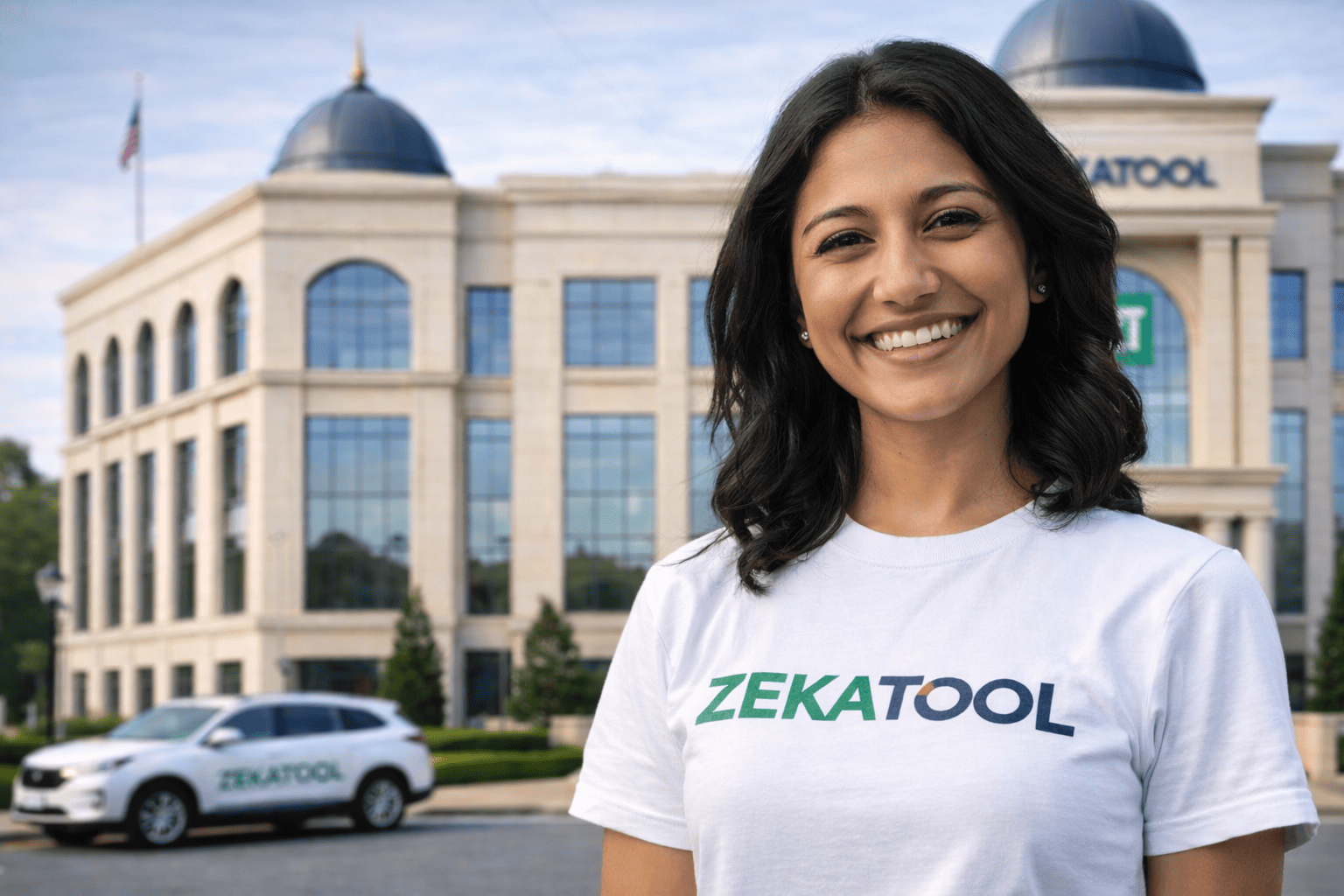
About Sarah Jenkins
Sarah is our Digital Compliance Specialist, specializing in copyright ethics and Fair Use doctrines. She helps our users navigate the legal complexities of digital content.
View More from Sarah →